AI Is Optimizing the Wrong Half of Work
Why the next opportunity isn't execution—it's decision readiness.
Over the past two years, AI has become remarkably good at helping us execute work.
It writes code, designs interfaces, summarizes documents, researches topics, and increasingly completes multi-step tasks autonomously. What once felt like isolated AI features has gradually evolved into complete execution workflows, where AI doesn't simply answer questions—it plans, acts, and delivers outcomes.
Yet the more AI products I use, the more I feel we're optimizing the wrong half of knowledge work.
Execution is becoming cheaper every day. Decision-making isn't.
We've become very good at designing execution
One of the most interesting things to watch over the past two years has been how quickly AI product design has matured.
Across products like Claude Code, Cursor, Manus, Lovable, and many others, a surprisingly consistent interaction language has emerged. AI no longer jumps directly to an answer. It explains its reasoning, proposes a plan, visualizes progress, coordinates multiple agents, and asks for approval before taking important actions. Together, these patterns have quietly become the design language of AI execution.
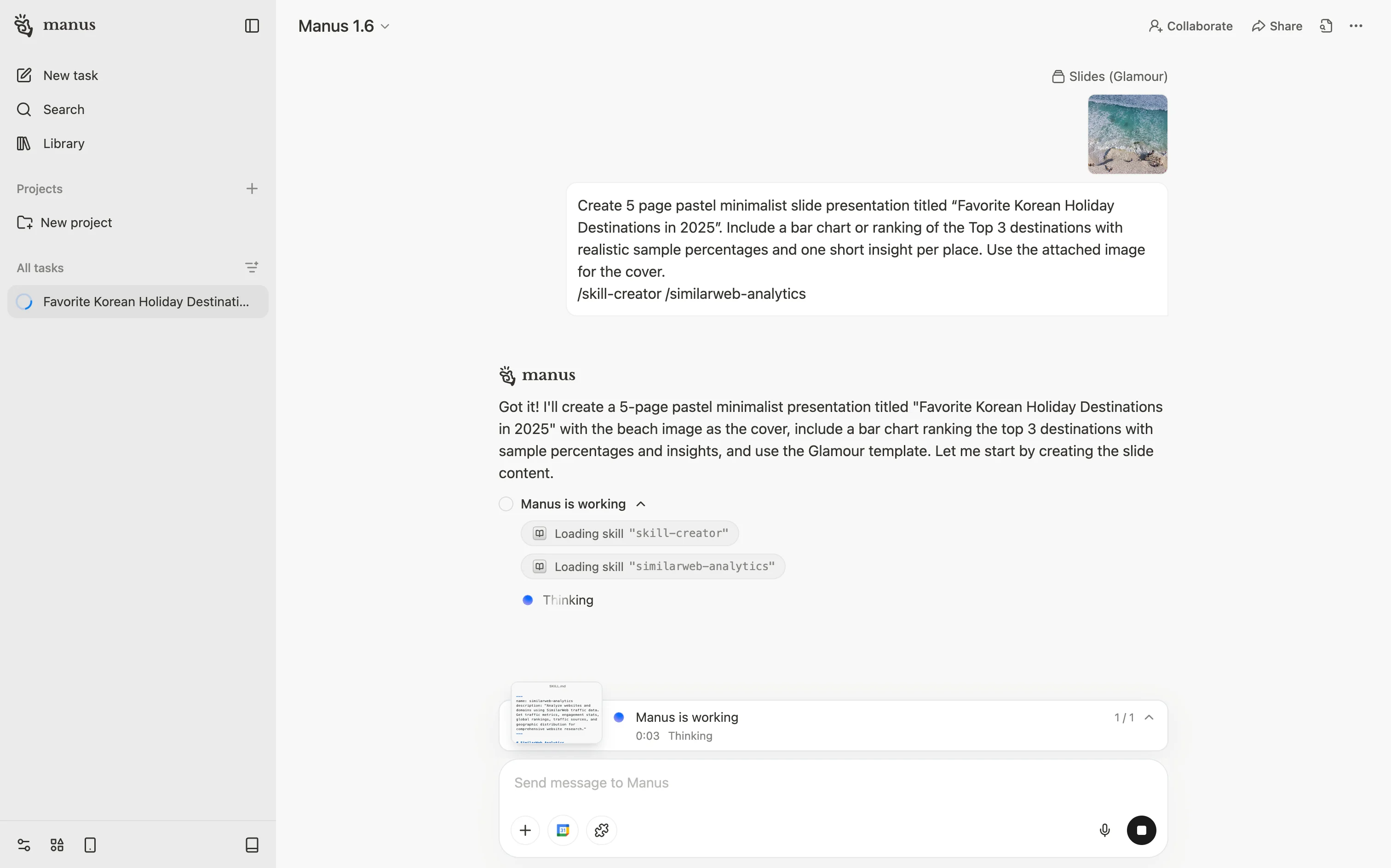
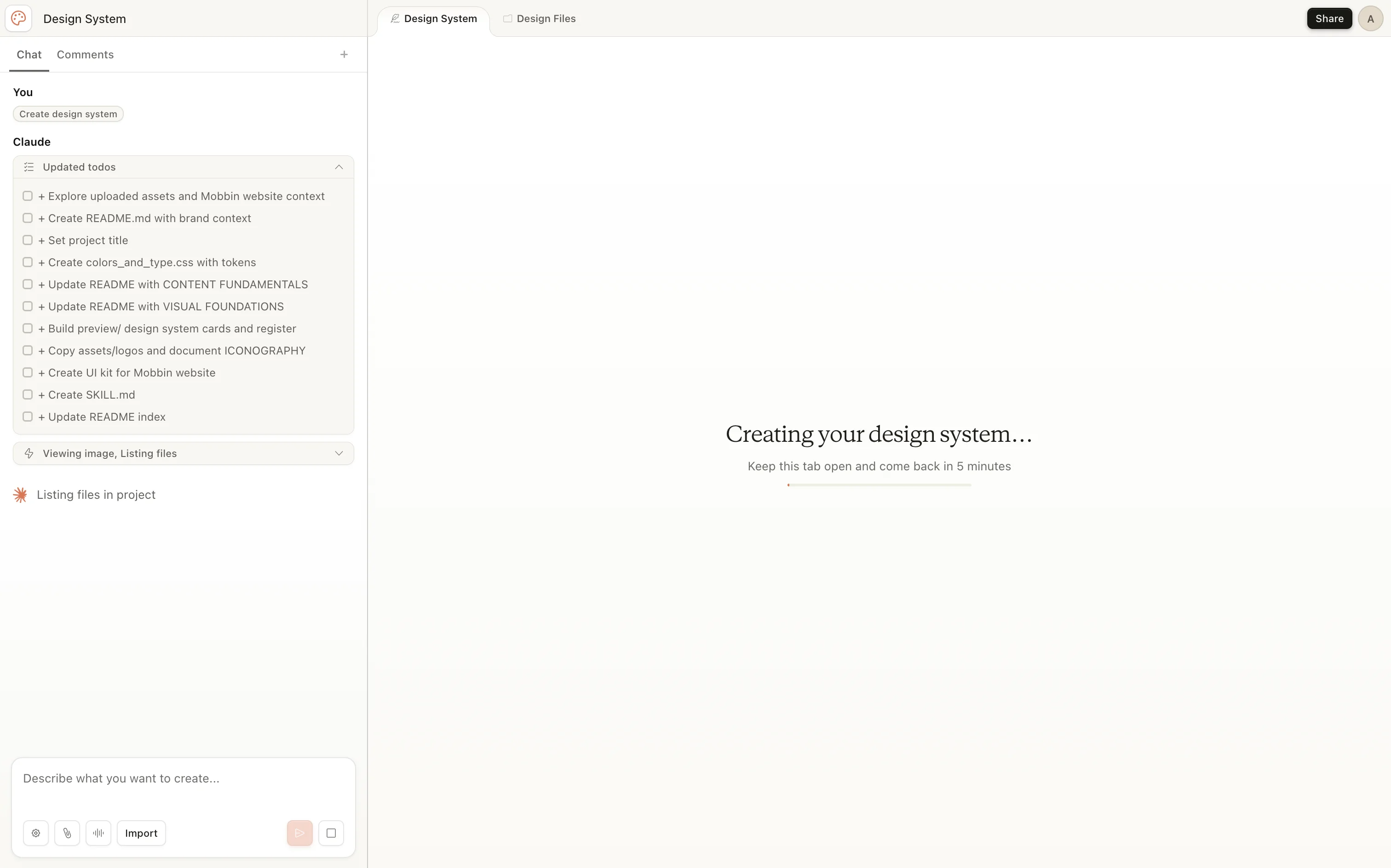
Collectively, these designs answer one fundamental question:
How can AI execute work effectively while keeping people in control?
But they all optimize the same stage of work — Execution.
Decision Is the Bottleneck
Execution rarely feels like the slowest part of knowledge work.
Decision-making does.
Think about the last important product decision your team made.
The decision itself probably took only a few minutes. Most of the time was spent gathering customer feedback, reviewing constraints, aligning stakeholders, preparing for the meeting, and following up afterwards.
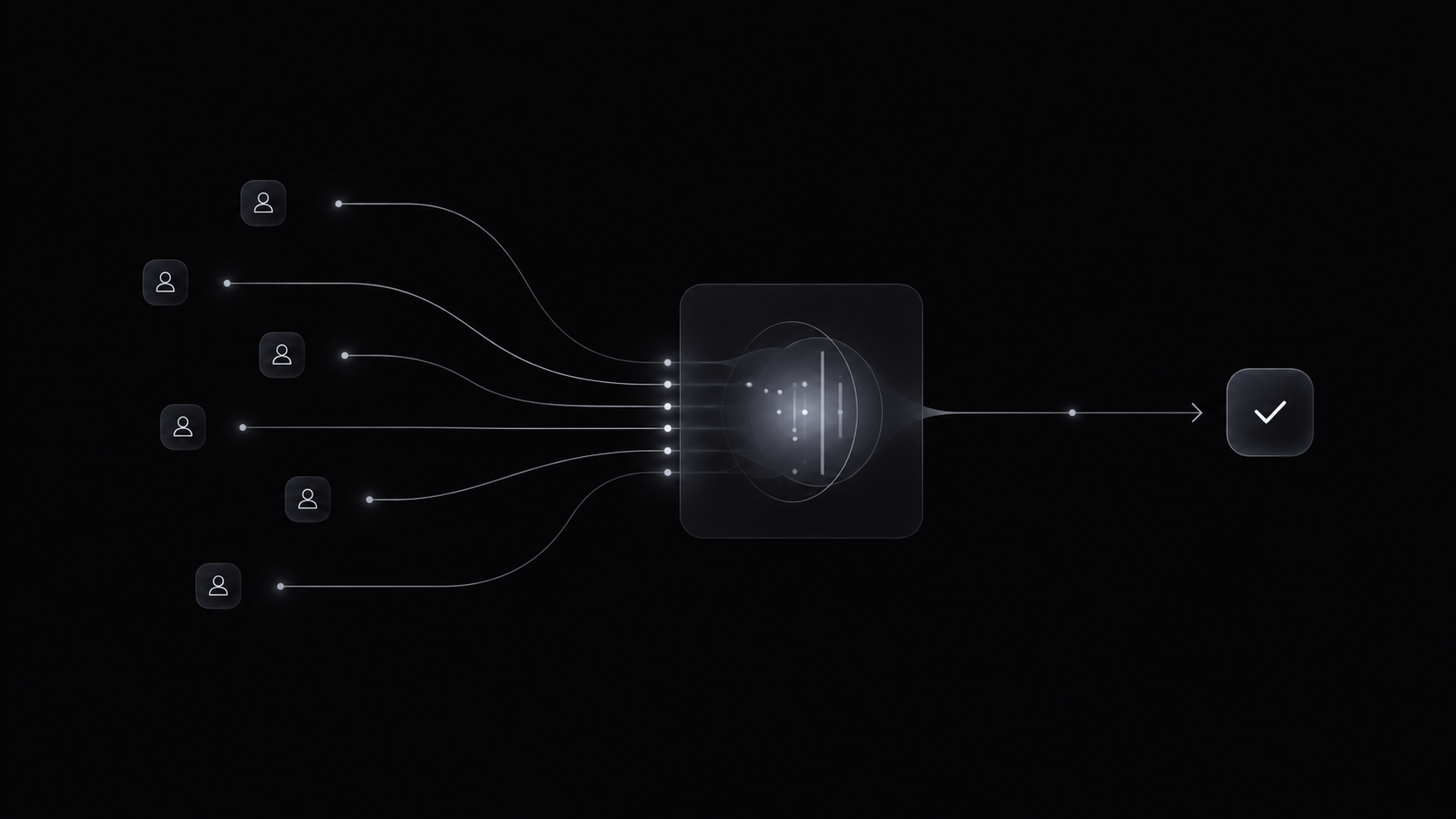
As organizations grow, this becomes increasingly expensive. Everyone holds a different piece of the puzzle, but very few people see the whole picture. Many meetings exist simply to build enough shared understanding before a decision can happen.
I found myself thinking of this state as decision readiness.
A team becomes decision-ready when the right people have the right context at the right time.
This changes what we design
If execution is no longer the primary bottleneck, our design focus may need to move upstream as well. The challenge is no longer just helping AI complete a task. It's helping people become ready to make a decision.
- How should AI continuously gather context across different systems?
- How can complex, interconnected information be organized into something people can understand within minutes instead of hours?
- How should conflicting perspectives and uncertainty be surfaced?
- When does AI have enough context to make a recommendation, and when should it simply reveal what's still missing?
These aren't model problems. They're product and design problems.
Perhaps that's the most interesting shift. The next generation of AI products may require us to design something else entirely:
Decision readiness.
The first signals are already here
The first signals are already here.
Products like Plaud, Glean, and Sentra are beginning to tackle different parts of the same problem: capturing conversations, connecting fragmented knowledge, and building organizational memory.
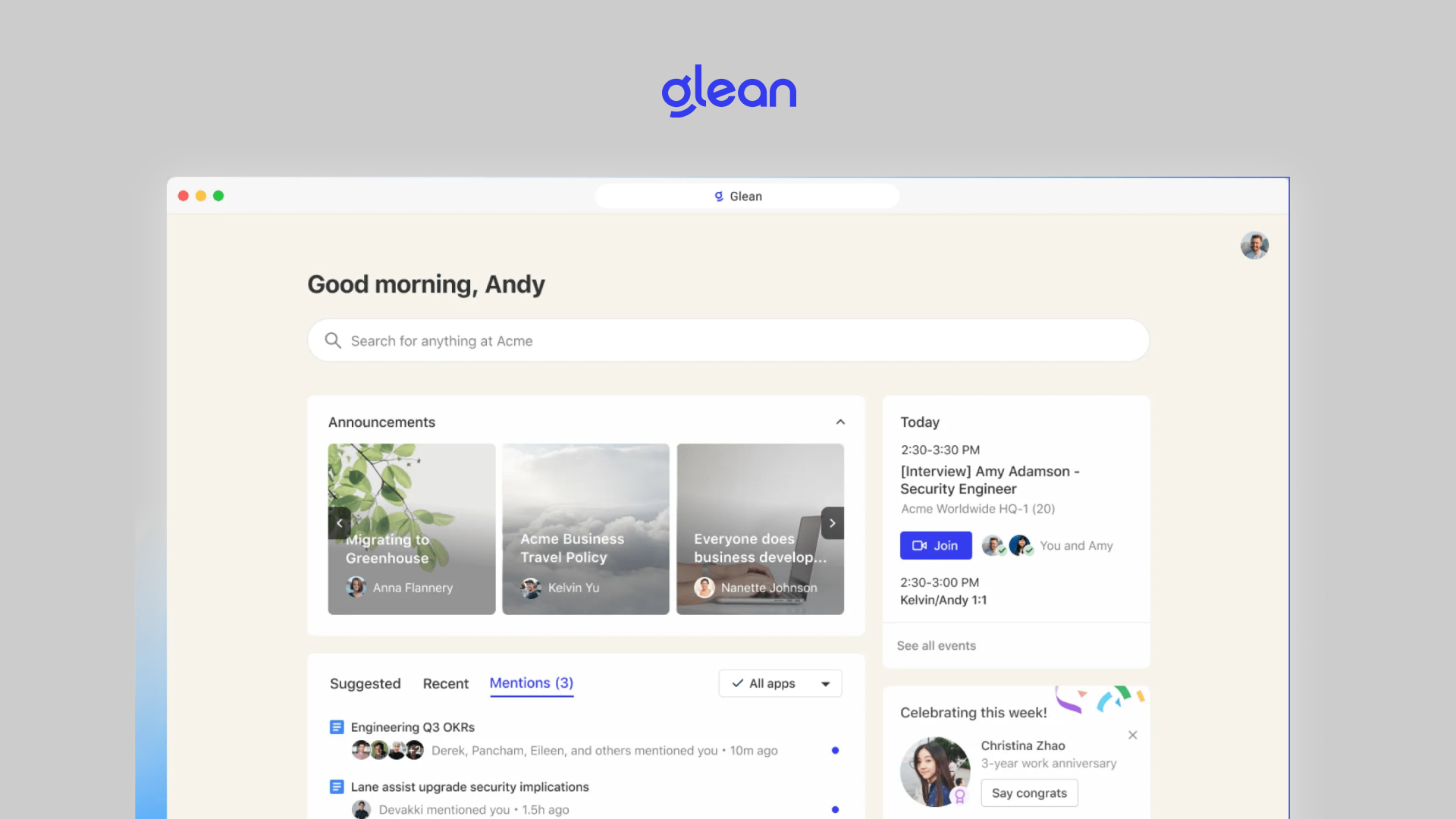
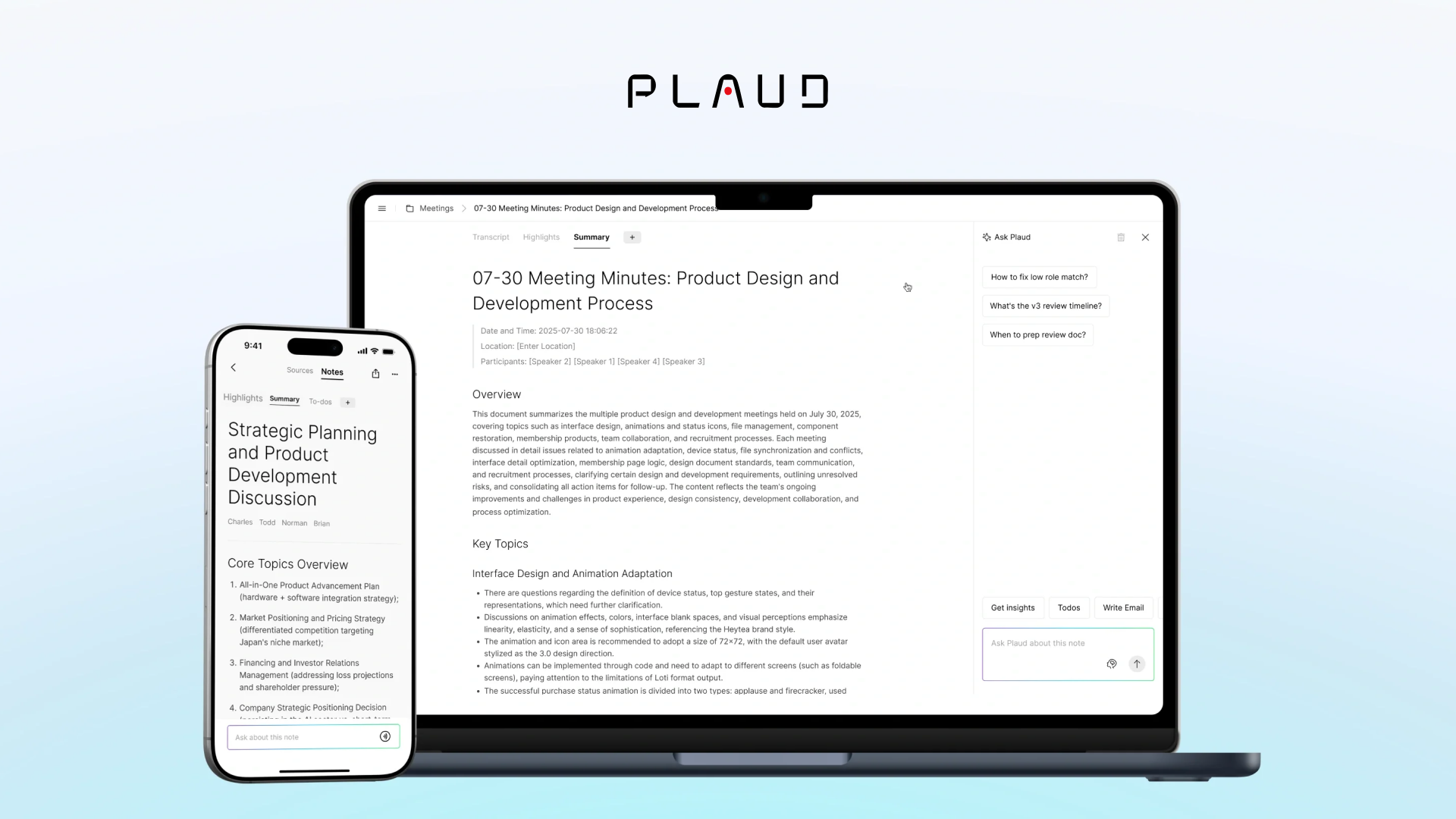
Better documentation is only a starting point. The larger opportunity is helping organizations become decision-ready.
Whether it's a product launch, a design review, an engineering trade-off, a pricing change, or a customer escalation, every decision depends on the quality of the context behind it.
Imagine having the relevant customer feedback, historical decisions, technical constraints, and stakeholder perspectives already assembled before the discussion begins.
People spend less time searching, summarizing, and aligning. More time discussing trade-offs and making decisions.
Closing thoughts
As execution becomes cheaper, the leverage naturally moves upstream. Better execution doesn't guarantee better outcomes—it simply amplifies the quality of the decisions behind it.
I wonder if the next generation of AI products will be remembered for something else:
Helping people and organizations make better decisions before the work even begins.
Comments 0